
Managing inventory effectively is vital for Amazon sellers aiming for success. With the right tools, you can streamline your operations, minimize errors, and ultimately boost your profits. This article will explore the best Amazon inventory management software options for 2025, helping you choose the right solution for your business needs.
Key Takeaways
- Choose software that automates inventory updates and tracking.
- Look for solutions that integrate with multiple sales channels.
- Set smart reorder points to prevent stockouts and optimize stock levels.
- Utilize automation tools to reduce manual tasks and improve efficiency.
- Stay updated on Amazon policies to avoid costly fulfillment issues.
Choosing The Right Inventory Management Software
Okay, so you’re selling on Amazon. Great! But now you need to figure out how to keep track of all your stuff. Amazon’s built-in tools are… well, they’re basic. To really get ahead, you’re going to need some dedicated Amazon inventory management app. But with so many options, how do you pick the right one?
Features To Look For In An Amazon Inventory Management System
First things first, what should this software even do? Here’s a quick rundown:
- Real-time tracking is non-negotiable. You need to know exactly what you have, where it is, and how fast it’s moving. No more guessing games.
- Multi-channel support is important. If you’re selling on Amazon, but also have a Shopify store or sell on eBay, your inventory system needs to keep everything in sync. Overselling is a nightmare.
- Reporting and analytics are key. The software should give you insights into your inventory performance. What’s selling well? What’s just sitting there? You need data to make smart decisions.
Benefits Of Third-Party Solutions
Why not just stick with Amazon’s tools? Well, third-party solutions automate inventory updates, track your stock, and forecast sales more accurately. They can do a lot more than Amazon’s basic tools. Here’s the deal:
- Better accuracy. Third-party tools are designed specifically for inventory management, so they’re usually more accurate than Amazon’s built-in system.
- More automation. Automating tasks like reordering and fulfillment can save you a ton of time and reduce errors.
- Improved reporting. Get detailed insights into your inventory performance, so you can make better decisions about what to stock and how to price it.
Using a third-party inventory management system can help you avoid stockouts, prevent missed sales opportunities, and ultimately, make more money. It’s an investment that pays off.
Evaluating Your Business Needs
Before you start shopping for software, take a good look at your business. What are your biggest pain points? What features do you really need? Here are some questions to ask yourself:
- What’s your sales volume? A small seller has different needs than a large one.
- How many channels do you sell on? If you’re only on Amazon, you might not need multi-channel support.
- What’s your budget? Inventory management software can range from free to very expensive.
Once you have a good understanding of your needs, you can start comparing different software options and find the one that’s right for you.
Top Amazon Inventory Management Software Options
Okay, so you’re serious about getting your Amazon inventory under control. Good. There are a bunch of software options out there, and it can be tough to figure out which one is right for you. I’m going to walk you through a few of the top contenders. Let’s get started.
LitCommerce Overview
LitCommerce is a pretty solid choice if you’re selling on more than just Amazon. It’s designed to handle multichannel sales, which means you can manage your inventory across different platforms like Shopify, Etsy, and Walmart, all from one place. This can save you a ton of time and prevent a lot of headaches.
- Centralized inventory management
- Order synchronization across channels
- Product listing tools
LitCommerce is a good option if you need to manage inventory across multiple sales channels. It’s not the most advanced tool out there, but it’s easy to use and gets the job done.
Veeqo Features
Veeqo is another popular option, and it’s got some cool features. It’s known for its shipping management capabilities, which can be a big deal if you’re handling a lot of orders. You can connect it with different shipping carriers and automate a lot of the shipping process. This can save you money on shipping costs and speed up your fulfillment times. Veeqo is one of the best inventory management software for Amazon.
- Shipping automation
- Inventory forecasting
- Order management
Brightpearl Capabilities
Brightpearl is a more robust solution, aimed at larger businesses. It’s not just an inventory management tool; it’s a full-blown retail management system. This means it can handle everything from inventory and orders to accounting and customer relationship management (CRM). It’s a bigger investment, but it can be worth it if you need a comprehensive solution. Brightpearl offers advanced retail operations management.
- Accounting integration
- CRM features
- Advanced reporting
Strategies For Effective Inventory Management
Alright, let’s talk about keeping your Amazon inventory in check. It’s not just about knowing how much stuff you have; it’s about making sure you’re not losing money because of stockouts or overstocking. It’s a balancing act, but with the right strategies, you can definitely get it right.
Setting Smart Reorder Points
Knowing when to reorder is super important. You don’t want to wait until you’re completely out of stock, but you also don’t want to order too early and end up with a ton of inventory sitting around. Think of it like this: you need to figure out how long it takes for your supplier to get the product to you, and how quickly you’re selling that product. Once you have those numbers, you can set a reorder point that makes sense. For example, you can prevent stockouts by setting up safety stock levels.
Utilizing Automation Tools
Automation is your friend. Seriously. There are so many tools out there that can help you automate different parts of your inventory management process. Think about things like automatically reordering products when they reach a certain level, or automatically updating your inventory levels across all of your sales channels. It can save you a ton of time and reduce the risk of errors.
- Automated reordering systems.
- Inventory level synchronization across platforms.
- Sales forecasting tools.
Implementing Real-Time Tracking
Real-time tracking is a game-changer. It means you always know exactly how much of each product you have on hand, where it is, and how quickly it’s selling. This information is invaluable for making informed decisions about ordering, pricing, and marketing. Plus, it can help you spot potential problems before they become major issues.
Real-time tracking helps you stay on top of your inventory levels, reduce the risk of stockouts and overstocking, and make better decisions about your business. It’s an investment that can pay off big time in the long run.
Maximizing Profitability With Inventory Software
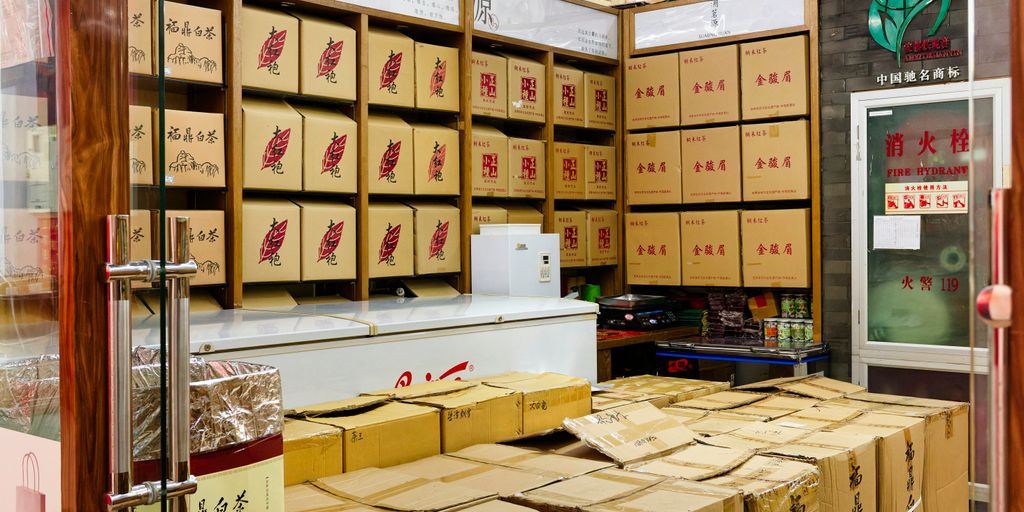
Inventory management software isn’t just about keeping track of what you have; it’s a powerful tool for boosting your bottom line. By streamlining operations and making smarter decisions, you can significantly increase your profitability on Amazon. Let’s explore how.
Reducing Stockouts
Stockouts are a killer for any Amazon seller. You lose sales, damage your reputation, and can even take a hit in Amazon’s search rankings. Inventory management software helps you avoid this by:
- Setting up alerts: Get notified when your stock levels are low, giving you plenty of time to reorder.
- Forecasting demand: Analyze past sales data to predict future demand, so you know how much to order.
- Automating reordering: Set up automatic reorders based on your sales velocity and lead times.
Imagine never having to worry about running out of your best-selling product again. That’s the power of proactive inventory management. It’s about anticipating demand and ensuring you always have enough stock to meet customer needs.
Optimizing FBA Storage Fees
FBA storage fees can eat into your profits, especially if you’re storing slow-moving or obsolete inventory. Here’s how inventory software can help:
- Identifying slow-moving items: Quickly see which products aren’t selling well, so you can take action (e.g., run a sale, remove the inventory).
- Calculating optimal order quantities: Avoid overstocking by ordering only what you need, minimizing storage costs.
- Tracking inventory aging: Monitor how long your inventory has been sitting in Amazon’s warehouses, so you can address potential long-term storage fees. Consider using a tool like Helium 10 to help with profitability calculations.
Enhancing Fulfillment Efficiency
Efficient fulfillment is key to customer satisfaction and profitability. Inventory management software can streamline the process by:
- Automating order routing: Automatically route orders to the most efficient fulfillment center.
- Generating pick lists: Create accurate pick lists to speed up the picking and packing process.
- Integrating with shipping carriers: Get real-time shipping rates and track shipments, ensuring timely delivery. Syncing inventory across channels helps avoid errors and improve fulfillment speed. This leads to happier customers and fewer returns.
| Feature | Benefit |
|---|---|
| Automated Reorders | Reduced stockouts, increased sales |
| Demand Forecasting | Optimized inventory levels, lower costs |
| Inventory Aging | Minimized storage fees |
| Order Routing | Faster fulfillment, happier customers |
Integrating Inventory Management With Other Tools
Inventory management software doesn’t exist in a vacuum. To really get the most out of it, you need to connect it with other tools you’re already using. This creates a more streamlined and efficient workflow. Think of it as building a central hub for all your e-commerce operations.
Syncing With E-Commerce Platforms
One of the most important integrations is with your e-commerce platforms, especially Amazon. This allows for automatic updates of inventory levels across all channels. When a sale happens on Amazon, your inventory management software instantly reflects that change. This prevents overselling and keeps your stock levels accurate. It also helps with multichannel selling, if you’re using other platforms like Shopify or Etsy.
Using Accounting Software
Integrating your inventory management with accounting software like QuickBooks or Xero can seriously simplify your financial processes. Instead of manually entering data, sales and inventory costs are automatically tracked. This gives you a clearer picture of your profitability and helps with tax preparation. Plus, it reduces the risk of errors that can happen with manual data entry. Think of the time saved!
Leveraging Data Analytics
Connecting your inventory management software with data analytics tools can provide valuable insights into your business. You can analyze sales trends, identify your best-selling products, and forecast future demand. This information can help you make better decisions about what to stock, when to reorder, and how to price your products. It’s all about using data to optimize your inventory and boost your profits. For example, you can use Amazon inventory management software to track sales and inventory patterns over time.
Integrating your inventory management system with other tools is not just about convenience; it’s about creating a more connected and data-driven business. By automating processes and gaining access to valuable insights, you can improve efficiency, reduce costs, and increase profitability.
Common Challenges In Amazon Inventory Management
Amazon can be a wild place for sellers. It’s not always smooth sailing, and a lot of the time, you’re going to run into some pretty common inventory management headaches. Let’s look at some of the big ones.
Dealing With Amazon Policy Changes
Amazon’s rules? They’re always changing. Seriously, it feels like every other week there’s a new update that throws a wrench into your whole system. Keeping up with these changes is a constant battle. One day you’re good, the next you’re scrambling to adjust your inventory strategy to avoid penalties. It’s a real pain, but you have to stay on top of it.
Amazon’s policies can impact storage limits, product categorization, and even what you’re allowed to sell. Ignoring these changes can lead to listings being suppressed, storage fees skyrocketing, or even account suspension. Staying informed and adapting quickly is key to survival.
Managing Multichannel Sales
Selling on Amazon is great, but what if you’re also selling on eBay, Shopify, or even your own website? Now you’ve got inventory scattered all over the place. Trying to keep track of everything manually is a recipe for disaster. You’ll end up overselling, running out of stock, and generally making a mess of things. It’s a juggling act, and without the right tools, you’re going to drop a lot of balls. Amazon’s inventory tools have limited multichannel support.
Avoiding Inventory Discrepancies
Ever had that moment where Amazon says you have ten units of something, but you can only find eight? That’s an inventory discrepancy, and it’s more common than you think. These discrepancies can be caused by all sorts of things: miscounted shipments, damaged goods, or even just plain old human error. Whatever the reason, they can throw off your entire inventory management system and lead to stockouts or overstocking. Here are some common causes:
- Human error during receiving or picking.
- System glitches within Amazon’s warehouse.
- Theft or damage within the supply chain.
Future Trends In Inventory Management Software

Inventory management is changing fast. It’s not just about keeping track of what you have anymore. It’s about predicting what you’ll need, automating the whole process, and making it easier to use. Here’s a peek at what’s coming.
AI And Machine Learning Innovations
AI and machine learning are set to revolutionize inventory management. These technologies can analyze huge amounts of data to predict demand more accurately than ever before. This means less wasted stock and fewer missed sales. For example, AI can learn from past sales data, seasonal trends, and even social media buzz to forecast what products will be hot sellers next quarter. This will help with demand forecasting.
Increased Automation
Automation is already a big deal, but it’s going to get even bigger. Think about automated reordering, where the system automatically orders more stock when levels get low. Or automated labeling and shipping, where robots handle the physical tasks of getting products ready to ship. This will free up time for sellers to focus on other important things, like marketing and product development.
Here are some areas where automation will have a big impact:
- Order processing
- Warehouse management
- Shipping logistics
Enhanced User Experience
Software is becoming easier to use. No one wants to spend hours learning a complicated system. Future inventory management software will be more intuitive, with user-friendly interfaces and helpful tutorials. This will make it easier for everyone, from small business owners to large corporations, to manage their inventory effectively. The goal is to make Amazon inventory management software accessible to all.
The future of inventory management is all about being proactive, not reactive. By using AI, automation, and user-friendly software, businesses can stay ahead of the curve and maximize their profits.
As we look ahead, inventory management software is set to evolve in exciting ways. New technologies like artificial intelligence and machine learning will help businesses track their stock more accurately and make smarter decisions. This means less waste and more efficiency. If you want to stay updated on the latest trends and tools in inventory management, visit our website for more insights!
Wrapping It Up
Managing your inventory well is super important for anyone selling on Amazon. With the right software, you can make your life a lot easier. These tools help you keep track of what you have, manage orders, and predict sales better. This means fewer stockouts and more sales. As technology keeps moving forward, these inventory management systems will likely get even better, giving you more features to help your business grow. So, take the time to find the right fit for you, and watch your Amazon business thrive.
Frequently Asked Questions
What is inventory management software?
Inventory management software helps businesses keep track of their stock levels, orders, sales, and deliveries. It makes managing inventory easier and more organized.
Why do I need inventory management software for Amazon?
Using inventory management software for Amazon can help you avoid running out of stock, manage your sales better, and save time by automating many tasks.
What features should I look for in this software?
Look for features like real-time tracking, easy integration with Amazon, and tools for managing orders and sales across different platforms.
Can I use inventory management software for multiple sales channels?
Yes! Many inventory management systems allow you to manage stock across various platforms like Amazon, eBay, and Shopify.
How can inventory management software help reduce stockouts?
The software can alert you when stock is low and help you set reorder points, so you can restock before running out.
What are the benefits of using third-party inventory management solutions?
Third-party solutions often offer more features than Amazon’s built-in tools, like better automation and reporting, which can help improve your sales and efficiency.