
Ever wonder how Amazon got so big? It’s not just luck, that’s for sure. They’ve got a really smart plan for how they do business and get people to buy stuff. This guide, “Unpacking the Marketing Strategy of Amazon: A Comprehensive PDF Guide,” is going to break down exactly what they do. We’ll look at everything from how they keep prices low to how they get you hooked on Prime. If you’re curious about the marketing strategy of Amazon PDF, this is the place to be.
Key Takeaways
- Amazon’s main approach mixes low prices with unique features, always putting the customer first.
- They are really good at online marketing, using things like good website design and search engine tricks.
- Amazon is super precise about who they sell to, breaking down customers into tiny groups.
- Prime membership and cool technology are huge for Amazon, keeping customers happy and operations smooth.
- They are always trying new things, like personalized recommendations and smart company purchases, to stay ahead.
Understanding Amazon’s Core Marketing Strategy
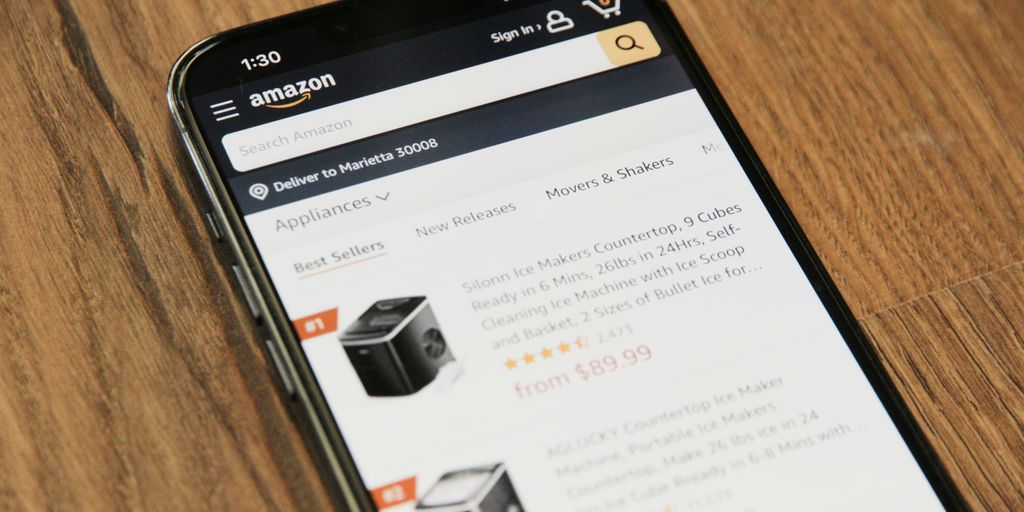
Amazon’s marketing strategy is a multifaceted approach that has propelled it to become a global e-commerce leader. It’s not just about selling products; it’s about creating an ecosystem where customers can find almost anything they need, quickly and easily. Let’s break down the core elements that drive this strategy.
Cost Leadership and Differentiation
Amazon aims to be a cost leader, but it also differentiates itself through service. This means offering competitive prices while providing a superior customer experience. Amazon achieves cost advantages through massive warehousing and efficient processing capabilities. It’s a hybrid approach, blending cost leadership with service differentiation to attract and retain customers. This dual approach allows them to compete effectively against both brick-and-mortar retailers and other online marketplaces.
Customer-Centric Approach
Amazon’s obsession with the customer is at the heart of everything they do. They prioritize the customer experience above all else, constantly innovating to make shopping easier and more convenient. This includes features like one-click ordering, personalized recommendations, and hassle-free returns. Amazon’s customer-centric approach is not just a slogan; it’s a deeply ingrained philosophy that guides their decision-making at all levels.
Leveraging Core Competencies
Amazon leverages its core competencies to create value for customers and drive growth. These competencies include:
- Technology: Amazon is a technology company at its core, constantly developing new tools and platforms to improve the customer experience.
- Logistics: Amazon’s vast logistics network enables it to deliver products quickly and efficiently to customers around the world.
- Data Analytics: Amazon uses data analytics to understand customer behavior and personalize the shopping experience.
By leveraging these core competencies, Amazon can offer a unique and compelling value proposition to customers. They are committed to leveraging Amazon’s core competencies in whatever ways they can find to realize the value of the company’s assets.
Amazon’s success is not accidental; it’s the result of a well-defined and consistently executed marketing strategy that puts the customer first and leverages its core strengths.
Amazon’s Digital Marketing Prowess
Amazon’s success isn’t just about selling a lot of stuff; it’s about how they sell it. They’ve really nailed the whole digital marketing thing. It’s a mix of smart website design, knowing how to get their products to show up in searches, and just making the whole online shopping experience super easy. They’re always testing new things and tweaking their approach based on what works. It’s a pretty impressive operation.
Web Marketing and Promotion Strategies
Amazon’s web marketing is a machine. They use everything from banner ads to email campaigns to get people to their site. They’re masters at cross-promotion, showing you related items or deals that you might be interested in. They also run a ton of A/B tests to see what ads and promotions work best. It’s all about driving traffic and getting people to buy something. Amazon also uses advertising performance metrics to track the success of their campaigns.
Search Engine Optimization Focus
SEO is huge for Amazon. They want their products to be at the top of search results, whether you’re searching on Google or on Amazon itself. They do this by optimizing their product listings with relevant keywords, good descriptions, and high-quality images. They also encourage customer reviews, which can help boost their search rankings. It’s a constant effort to stay ahead of the game and make sure their products are visible.
User-Friendly Interface Design
Amazon’s website and app are designed to be super easy to use. It’s all about making it simple for people to find what they’re looking for and make a purchase. They’ve got clear navigation, helpful search filters, and a straightforward checkout process. They also personalize the experience based on your past purchases and browsing history. It’s all about making the shopping experience as smooth and convenient as possible.
Amazon’s digital marketing strategy is a constantly evolving beast. They’re always testing new things, tweaking their approach, and trying to stay ahead of the curve. It’s a big part of why they’re so successful.
Here’s a quick look at some key elements of their interface design:
- Clear product categorization
- Easy-to-use search filters
- Personalized recommendations
Segmentation and Targeting Excellence
Amazon’s success isn’t just about having a huge selection; it’s also about knowing exactly who to show what to. They’ve mastered the art of figuring out what different groups of people want and need, and then tailoring their marketing to fit.
Demographic and Psychographic Segmentation
Amazon looks at the basics, like age, location, and income. But they also dig deeper into what people care about, their lifestyles, and their values. This helps them create marketing messages that actually speak to people on a personal level. For example, someone interested in organic food might see different ads than someone who’s all about the latest tech gadgets. It’s all about understanding the nuances of their customer base. This is how they achieve market segmentation.
Micro-Level Customer Targeting
Amazon takes segmentation to the extreme. Instead of just grouping people into broad categories, they analyze individual shopping habits. They track what you buy, what you browse, and even what you put in your cart but don’t purchase. This allows them to create incredibly targeted ads and recommendations. It’s like they know you better than you know yourself sometimes!
Targeting Middle and Upper-Class Consumers
While Amazon aims to serve everyone, a significant portion of their marketing efforts focuses on middle and upper-class consumers. These groups often have more disposable income and are more likely to shop online frequently. Amazon’s premium services, like Prime, cater specifically to this demographic, offering convenience and exclusive deals that appeal to their lifestyle. They understand the importance of positioning strategies to reach this audience effectively.
Amazon’s approach to segmentation and targeting is a continuous process of learning and adapting. They’re constantly refining their understanding of their customers and using that knowledge to improve their marketing efforts. This commitment to personalization is a key driver of their success.
The Power of Amazon Prime and Technology
Impact of Prime Membership on Customer Behavior
Amazon Prime is a big deal, and it’s not just about free shipping anymore. It’s a whole ecosystem designed to keep customers hooked. Think about it: once you’re paying that annual fee, you’re way more likely to shop on Amazon to get your money’s worth. It’s a smart move on their part. Amazon Prime achieves this through features like Prime Day, an annual event exclusive to Prime members, which not only drives sales but also strengthens the bond between Amazon and its subscribers.
- Increased purchase frequency
- Higher average order value
- Greater customer loyalty
Prime members spend significantly more than non-Prime members, and they keep coming back. It’s a cycle that feeds itself, and Amazon keeps adding new perks to make sure it stays that way.
Technological Integration for Smooth Operations
Amazon’s success isn’t just about marketing; it’s also about how well they use technology to make everything run smoothly. We’re talking about everything from warehouse robots to algorithms that predict what you want to buy before you even know it yourself. It’s pretty wild. Amazon’s Echo and Alexa’s voice technology are helping consumer brands sell more.
- Automated warehouses for faster fulfillment
- Sophisticated logistics and delivery systems
- Data analytics for personalized recommendations
Connecting Prime to Other Amazon Services
What’s really clever is how Amazon connects Prime to all its other services. Prime Video, Amazon Music, Prime Reading – it’s all part of the same package. It’s like they’re saying, "Hey, you’re already paying for Prime, why not check out all this other cool stuff too?" And, of course, many people do. The exponential growth in the number of Prime members over the past few years is not by chance. While the number of Prime members have sky-rocketed, the services provided under the Prime subscription have also increased.
- Bundling services to increase perceived value
- Cross-promotion of Amazon products and services
- Creating a sticky ecosystem that encourages long-term customer retention
Key Marketing Breakthroughs and Innovations
Amazon’s journey is marked by a series of marketing innovations that have not only propelled its own growth but also reshaped the entire digital landscape. From pioneering personalization techniques to strategic acquisitions, Amazon has consistently pushed the boundaries of what’s possible in marketing.
Personalization and Recommendation Engines
Amazon’s recommendation engines are a cornerstone of its marketing success. These systems analyze vast amounts of customer data to provide personalized product suggestions, enhancing the shopping experience and driving sales. It’s not just about suggesting products; it’s about anticipating customer needs and desires. This level of personalization keeps customers engaged and coming back for more. The ability to predict what a customer might want next is a powerful tool, and Amazon has mastered it.
Content Marketing Initiatives
Amazon has invested heavily in content marketing to engage customers beyond just product sales. This includes:
- Amazon Prime Video: Offering a wide array of movies and TV shows to attract and retain Prime members.
- Amazon Books: Providing a platform for authors and readers, fostering a community around books.
- Twitch: Engaging with the gaming community through live streaming and interactive content.
Amazon’s content strategy isn’t just about entertainment; it’s about building a comprehensive ecosystem that keeps customers within the Amazon universe. By providing diverse and engaging content, Amazon strengthens its brand loyalty and encourages repeat business.
Strategic Acquisitions and Their Impact
Amazon’s strategic acquisitions have played a crucial role in its marketing breakthroughs. For example, the acquisition of Whole Foods Market allowed Amazon to integrate its online and offline retail strategies, offering customers a seamless shopping experience. Similarly, the purchase of Zappos expanded Amazon’s reach in the fashion industry. These acquisitions not only added new product categories but also brought in valuable expertise and customer bases. The impact of these moves is clear: Amazon is not afraid to invest in companies that complement its existing business and enhance its overall marketing strategy.
Amazon’s Marketing Mix and Unique Selling Proposition
Product and Place Dominance
Amazon’s marketing mix heavily emphasizes product and place. With a staggering selection of over 480 million products in the U.S. alone, Amazon boasts the widest product range among both online and offline retailers. This vast selection, coupled with its unparalleled distribution network, gives Amazon a significant edge. They’ve essentially mastered getting almost anything to almost anyone, almost anywhere. It’s not just about having a lot of stuff; it’s about making that stuff readily accessible.
Competitive Pricing Strategies
Amazon’s pricing strategy is a key component of its success. They aim to offer competitive prices, often undercutting traditional brick-and-mortar stores. This is made possible by the massive cost savings they achieve through their online business model and efficient operations. Amazon isn’t always the absolute cheapest, but they’re consistently in the ballpark, and that, combined with convenience, is a powerful draw.
Widest Choice and Exceptional Customer Service
Amazon’s unique selling proposition (USP) boils down to a few key elements: the widest choice of products, competitive prices, fast delivery, and exceptional customer service. They put these elements at the core of their marketing messages. It’s a simple formula, but it’s incredibly effective. Amazon’s commitment to customer satisfaction is evident in its various programs and policies, all designed to make the shopping experience as smooth and hassle-free as possible. This focus on customer experience is what helps them retain customers and build brand loyalty.
Amazon’s success isn’t just about selling products; it’s about creating an ecosystem where customers can find almost anything they need, at a reasonable price, with a high degree of convenience and reliability. This holistic approach to the marketing mix is what sets them apart from the competition.
Lessons for Business Strategy from Amazon
Identifying Best Practices for Growth
Amazon’s journey offers a masterclass in business growth. One key takeaway is the importance of relentless customer focus. They didn’t just sell products; they built an ecosystem around customer needs, from easy ordering to fast delivery. Another best practice is continuous innovation. Amazon constantly experiments with new technologies and services, even if some fail. This willingness to take risks is crucial for staying ahead. Finally, Amazon excels at operational efficiency. They’ve invested heavily in logistics and supply chain management to optimize operations, ensuring products reach customers quickly and cost-effectively.
Adapting to Changing Market Conditions
Amazon’s success isn’t just about having a great initial strategy; it’s about adapting that strategy to changing market conditions. They started as an online bookstore but quickly expanded into other product categories. This adaptability is essential for any business that wants to survive and thrive in the long run. Consider how they embraced cloud computing with Amazon Web Services (AWS), turning an internal need into a major revenue stream. Businesses should always be scanning the horizon for new opportunities and threats, and be prepared to pivot when necessary.
A crucial lesson from Amazon is the ability to anticipate and respond to shifts in consumer behavior and technological advancements. This involves a willingness to experiment, learn from failures, and continuously refine your approach.
Here are some ways to adapt:
- Monitor industry trends closely.
- Invest in research and development.
- Be willing to experiment with new business models.
Driving Marketing Breakthroughs in the Digital Age
Amazon has consistently pushed the boundaries of what’s possible in digital marketing. Their use of personalization is a prime example. By analyzing customer data, they can recommend products and services that are highly relevant to each individual. This not only drives sales but also enhances the customer experience. Another breakthrough is their mastery of search engine optimization (SEO). They’ve built a website that is highly visible to search engines, making it easy for customers to find what they’re looking for. Here’s a few things to consider:
- Personalized recommendations
- Effective SEO strategies
- Data-driven decision-making
Want to know how Amazon got so big? They have some smart ways of doing business that any company can learn from. Find out more about their secrets and how you can use them for your own business by checking out our website.
Conclusion
So, what have we learned from looking at Amazon’s marketing? Well, it’s pretty clear they didn’t get to be a giant by accident. They really focus on knowing their customers, making things easy for them, and always trying new stuff. Think about how they use data to suggest things you might like, or how Amazon Prime makes you feel like you’re getting a special deal. It’s all about making shopping simple and even a little exciting. Other businesses, big or small, can definitely pick up some ideas from Amazon. It’s not about copying them exactly, but understanding why their methods work. If you can figure out what your customers really want and then deliver it in a smart way, you’re already on the right track. It just goes to show that even in a super competitive world, a good plan and a focus on the customer can make all the difference.
Frequently Asked Questions
How did Amazon get so big with its marketing?
Amazon became super successful by focusing on two main things: making things cheap and making them special. They sell tons of different stuff, often at lower prices than regular stores. But they also make shopping easy and personal, which makes people want to come back. This mix of low prices and great service is their secret sauce.
What’s Amazon’s trick for online marketing?
Amazon is really good at using the internet to get people to buy things. They make their website easy to use and find, so when you search for something, Amazon often pops up first. They also make sure the website looks good and works smoothly, which makes shopping a breeze.
How does Amazon know what I want to buy?
Amazon figures out who you are and what you like to buy. They look at things like your age, where you live, and what you’ve bought before. This helps them show you things you’re more likely to be interested in. They’re especially good at finding middle and upper-class shoppers who like to shop online for convenience.
Why is Amazon Prime so popular?
Amazon Prime is a big deal because it makes people feel special. Members get free fast shipping, movies, and music. This makes them shop more on Amazon. The company uses clever technology to make sure everything works perfectly, and they connect Prime to all their other services, making it a complete package.
What new things has Amazon done in marketing?
Amazon is always coming up with new ideas. They use smart computer programs to suggest things you might like, and they create interesting stories and videos to get you excited about their products. They also buy other companies that help them grow even bigger and offer more to customers.
What makes Amazon different from other stores?
Amazon’s main goal is to sell tons of products in many places. They offer a huge variety of items at good prices. What makes them stand out is their massive selection and amazing customer service. They make it easy to find almost anything you need and are always there to help if something goes wrong.