
In today’s busy online world, getting your products noticed and trusted is a big deal. It’s not just about having something good to sell; it’s also about how people see it and talk about it. That’s where the whole product rating optimization job comes in. It’s about making sure your products get good reviews and show up well, which can really help sales. This guide will walk you through what it takes to do that effectively.
Key Takeaways
- First, you need to check how your products are actually doing right now to find out what needs work.
- Making your product titles, descriptions, and pictures really good helps people want to buy.
- A big part of a product rating optimization job is getting more customer reviews and making them easy for others to see.
- Using tests and looking at the numbers helps you figure out what changes make things better.
- Smart computer programs can help keep your products looking good online all the time.
Auditing Product Performance for Optimization
Before you jump into making changes, it’s super important to figure out how your products are doing right now. Think of it like a check-up for your online store. You need to see what’s working, what’s not, and where you can make things better. This is where auditing comes in. It’s all about taking a hard look at the numbers and understanding what they mean.
Assessing Key Performance Indicators
First things first, you gotta know your KPIs. These are the key metrics that tell you how well your products are performing. We’re talking about things like conversion rates (are people actually buying?), bounce rates (are they leaving right away?), and average time on product pages (are they sticking around to read?). Keep a close eye on these numbers, because they’re your early warning system. If something’s off, you’ll see it here first.
Analyzing Customer Behavior Patterns
Numbers are great, but they don’t tell the whole story. You also need to understand how people are using your product pages. Are they clicking on certain images? Are they scrolling all the way down? Tools like heatmaps and session recordings can give you a peek into what your customers are doing. This helps you see where they’re getting stuck or confused. It’s like watching them shop in real-time, so you can see what’s working and what’s not.
Identifying Bottlenecks in the User Journey
Okay, so you’ve got the numbers and you’ve seen how people are behaving. Now it’s time to find the roadblocks. Where are people dropping off? Is it on the product page? Is it during checkout? Maybe the shipping costs are too high, or the product auditing process is confusing. Whatever it is, you need to find it and fix it. This is all about making the shopping experience as smooth and easy as possible.
Prioritizing Optimization Opportunities
So, you’ve done your audit and you’ve got a list of things to fix. Great! But you can’t do everything at once. You need to prioritize. Which changes are going to have the biggest impact? Which ones are the easiest to implement? Start with those. Focus on the low-hanging fruit first, and then move on to the bigger challenges. It’s all about making the most of your time and resources.
Don’t try to fix everything at once. Focus on the areas that will give you the biggest bang for your buck. Start small, test your changes, and then scale up. It’s a marathon, not a sprint.
Optimizing Product Content for Enhanced Engagement
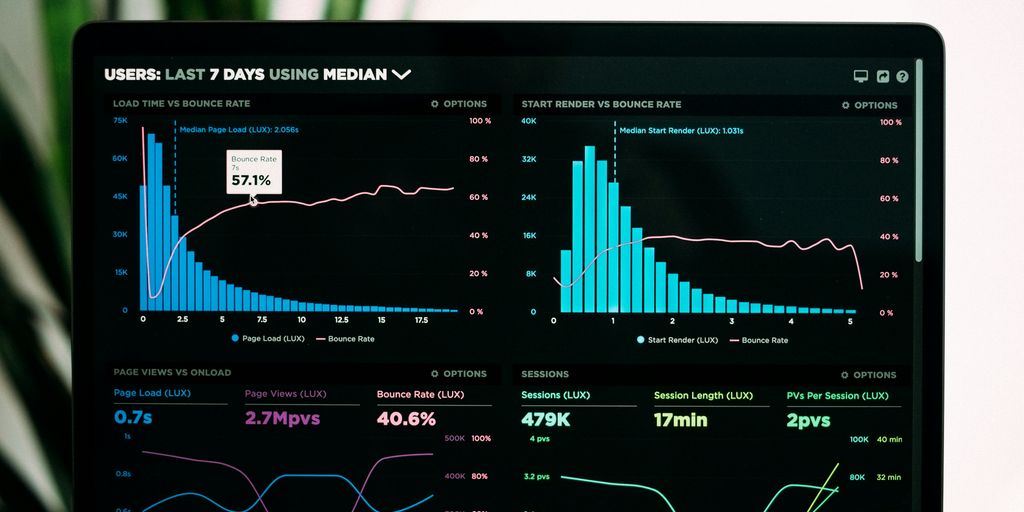
Product content is super important. It’s not just about having a product online; it’s about making sure that product shines. A well-crafted product page can significantly impact a customer’s decision to buy. It’s got to be informative, easy to understand, and, most importantly, persuasive. Let’s get into how to make that happen.
Crafting Compelling Product Titles
Product titles are the first thing people see, so they need to grab attention. Think about what people are actually searching for. Use keywords, but don’t make it sound like a robot wrote it. A good title is clear, concise, and includes the most important information. For example, instead of just "T-Shirt," try "Men’s Blue Cotton T-Shirt – Soft and Breathable."
Developing Persuasive Product Descriptions
Descriptions are where you really sell the product. Don’t just list features; talk about the benefits. How will this product make the customer’s life better? Use descriptive language, but be specific. Include dimensions, materials, and use cases. If it’s a blender, don’t just say it’s powerful; say it can crush ice in seconds. Think about the customer’s needs and address them directly. You can improve product page effectiveness by focusing on the customer’s needs.
Enhancing Visual Content and Rich Media
Pictures are worth a thousand words, right? Use high-quality images that show the product from different angles. Lifestyle photos can help customers imagine themselves using the product. Videos are even better. Show the product in action. Use 360-degree views so people can really see what they’re getting. Visuals build trust and help reduce returns. Here’s a quick list of visual content ideas:
- High-resolution images
- Lifestyle photos
- 360-degree views
- Product demo videos
Ensuring Content Consistency Across Channels
If you’re selling on multiple platforms, make sure your product information is consistent everywhere. This builds trust and avoids confusion. Use a Product Information Management (PIM) system to manage and update your content in one place. This way, when you change something, it changes everywhere. Consistency is key to mastering product listing optimization.
Implementing Product Rating Optimization Strategies
Customer reviews and ratings are super important. They build trust, help with search visibility, and often influence whether someone buys something way more than any ad ever could. But getting those reviews isn’t always easy. Here’s how to make it happen:
Encouraging Organic Customer Reviews
Getting people to leave reviews can be tough. One way to boost review numbers is to simply ask! Send automated emails after a purchase, maybe offer a small discount or loyalty points for leaving honest feedback. Make it as easy as possible for customers to share their thoughts. People are more likely to leave a review if the process is quick and painless. Think about adding a QR code on the product packaging that takes them directly to the review page.
Streamlining Review Submission Processes
Make it easy for customers to leave reviews. A complicated process will deter even the most willing reviewers.
- Use a simple, mobile-friendly form.
- Allow customers to leave star ratings and short comments.
- Send direct links to the review page in post-purchase emails.
Streamlining the review process is key. The fewer steps involved, the more likely customers are to leave feedback. This not only increases the volume of reviews but also provides valuable insights into customer satisfaction and areas for improvement.
Leveraging Review Data for Insights
Reviews aren’t just for show; they’re a goldmine of information. Use sentiment analysis tools to find trends in the reviews. Are people consistently praising a certain feature? Is there a recurring complaint? This data can help you identify quality control issues, new feature requests, or areas where your product descriptions might be misleading. You can use this data to improve Amazon listing optimization jobs and product development.
Integrating Ratings for Increased Discoverability
Make sure those ratings are visible! Display them prominently on your product pages. Highlight the most helpful and positive reviews. Respond to negative reviews thoughtfully – show potential buyers that you care about feedback and are committed to customer satisfaction. Also, integrate ratings into your search results and advertising to boost click-through rates and conversions. This helps with discoverability and builds trust with potential customers.
Utilizing Data-Driven Testing and Analysis
Optimization isn’t a one-shot deal; it’s a never-ending process. Once you’ve tweaked your product pages, you absolutely have to measure the impact of those changes through constant testing and analysis. This is where the rubber meets the road, and you see if your ideas actually work.
Conducting A/B Testing for Elements
A/B testing, also known as split testing, is your best friend. It lets you pit two or more versions of a product page element against each other—think titles, images, descriptions, even pricing—to see which one performs better. For example, you might test if a product description with a conversational tone does better than one that’s super technical. Or maybe you want to see if lifestyle images boost engagement compared to plain product shots. These small tweaks, over time, can lead to big improvements in conversion rates. It’s all about finding what resonates with your audience.
Monitoring Key Performance Indicators
It’s not just about A/B tests. You need to keep an eye on the bigger picture. Track KPIs like revenue per visitor, return rates, and customer acquisition cost. Are your optimization efforts actually paying off in terms of real business value? If your Amazon Brand Analytics aren’t showing positive trends, it’s time to rethink your strategy.
Iterative Testing and Learning Cycles
Optimization is a cycle, not a straight line. You test something, you learn from the results, and then you test again. Businesses that commit to this iterative process are better equipped to adapt to changing customer expectations and market demands. It’s about being agile and always looking for ways to improve.
Selecting Appropriate Testing Tools
To make all this testing easier, you’ll need the right tools. There are platforms designed to help you run experiments without messing up your live site. These tools let you set up A/B tests, track results, and analyze data, so you can make informed decisions about your product pages. Streamlining review submission processes is key to getting the data you need.
Leveraging Artificial Intelligence for Continuous Optimization
AI is changing the game when it comes to product optimization. It’s not just about making things faster; it’s about making smarter decisions based on real-time data. Think of it as having a super-powered assistant that never sleeps and always has your product’s best interest at heart. Let’s explore how AI can help.
AI-Powered Content Generation
Forget writer’s block! AI can now generate product descriptions, titles, and even ad copy in seconds. Tools like Jasper and Copy.ai are great for this. This is especially useful if you have a large product catalog and need to keep things fresh. It’s not about replacing human writers, but more about giving them a powerful tool to work with. You can use AI to create a first draft, then have a human editor polish it up and make sure it aligns with your brand voice. This can save a ton of time and resources, letting you focus on other important tasks. For example, you might use AI to create multiple versions of a product description and then use A/B testing to see which one performs best. This allows for continuous refinement and improvement of your product content.
Predictive Analytics for Product Trends
Imagine knowing what products will be hot sellers next season. AI can analyze market data, customer behavior, and even social media trends to predict what’s coming next. This allows you to get ahead of the curve and make sure you have the right products in stock at the right time. It’s like having a crystal ball for your product line! This can also inform your R&D decisions, helping you develop new products that are sure to be a hit. It’s not just about reacting to trends, but about anticipating them and being proactive. This can give you a significant competitive advantage in the marketplace. Using data-driven tools is key to staying ahead.
Automating Product Information Syndication
Keeping product information consistent across all channels (your website, Amazon, social media, etc.) can be a huge headache. AI-powered PIM (Product Information Management) systems can automate this process, ensuring that your product information is always up-to-date and accurate, no matter where it’s displayed. This not only saves time but also improves the customer experience. Imagine updating a product description in one place and having it automatically updated everywhere else. No more manual updates or worrying about inconsistencies! This is especially important for brands that sell across multiple channels. A robust PIM system can also help you optimize product performance across all channels.
Real-Time Data-Driven Decision Making
AI can analyze data in real-time and provide insights that can help you make better decisions about your products. For example, it can identify which products are underperforming, which keywords are driving the most traffic, and which customer segments are most likely to convert. This allows you to make adjustments on the fly and optimize your product listings for maximum impact. It’s like having a constant feedback loop that helps you continuously improve your products. This is a huge advantage in today’s fast-paced digital marketplace, where things can change in an instant. By using AI to analyze data in real-time, you can stay ahead of the competition and make sure your products are always performing at their best. It closes the loop between product information, performance analytics, and customer feedback, enabling businesses to optimize continuously with precision and agility.
AI isn’t a magic bullet, but it’s a powerful tool that can help you take your product optimization efforts to the next level. By embracing AI, you can make smarter decisions, save time, and improve the customer experience. It’s all about finding the right tools and using them in a way that aligns with your business goals.
Scaling Product Optimization for Sustained Growth
To keep product optimization working well as you grow, you need the right setup and attitude. It’s not just about using automated tools; you need a clear plan and to make sure your brand always looks and feels the same, no matter where people see it.
Building Robust Optimization Infrastructure
Setting up a strong system for optimization is key. This means having the right tools, processes, and people in place. Think about using a Product Information Management (PIM) system to keep all your product data in one place. This makes it easier to update information across all your sales channels. Also, make sure your team knows how to use these tools and understands the importance of Amazon Sales Rank and consistent optimization.
Maintaining Brand Consistency at Scale
Keeping your brand consistent is super important as you grow. This means making sure your product descriptions, images, and overall message are the same everywhere, whether it’s on your website, on Amazon, or in social media ads. Use style guides and templates to help everyone create content that fits your brand. This builds trust with customers and makes your brand more recognizable.
Anticipating Future Market Demands
Staying ahead means looking at what’s coming next. Use data to predict trends and understand what customers will want in the future. This could involve:
- Analyzing market reports
- Tracking social media conversations
- Looking at what your competitors are doing.
By understanding future demands, you can adjust your product offerings and optimization strategies to stay competitive.
Fostering a Customer-Centric Mindset
Always remember that product optimization is about more than just algorithms; it’s about understanding and caring about your customers. Keep listening to their feedback, refining your message, and providing value at every step. This customer-first approach will help you build loyalty and drive long-term growth. Here are some ways to keep customers at the center of your strategy:
- Regularly review customer reviews and feedback.
- Conduct surveys to understand their needs and pain points.
- Use customer data to personalize their experience.
Want your business to keep growing? It’s super important to always make your products better. Discover simple ways to improve your products and keep your company strong. Visit our website to learn more!
Putting It All Together
So, we’ve talked a lot about getting your product ratings just right. It might seem like a lot to take in, but really, it’s about making sure people see your stuff and feel good about buying it. We looked at how important those stars and reviews are, and how they can really change things for your products. It’s not just about setting it up once and walking away. You gotta keep checking, keep testing, and keep listening to what your customers are saying. When you do that, and use the right tools, your products can really stand out. It makes a big difference for your business, helping you connect with more people and sell more things. It’s a continuous journey, but totally worth it.
Frequently Asked Questions
What does “product optimization” mean?
It’s all about making your product pages and information the best they can be. This helps more people see your products, like them, and decide to buy them. It also makes sure customers have a good experience.
Why are customer ratings and reviews so important?
When people see good ratings and reviews, it shows them that your product is trustworthy and that others like it. This helps them decide to buy. Also, products with more good reviews often show up higher when people search online.
Can a computer program (AI) write product descriptions instead of a person?
Yes, AI can quickly write pretty good product descriptions that help your items show up in searches. But it’s usually best to have a person look over what the AI writes to make sure it sounds just right for your brand.
What’s the difference between improving your whole website and optimizing a product?
Improving your whole website (called CRO) tries to get more people to do things like sign up or buy anything on your site. Product optimization is more specific; it focuses only on making a single product’s page better so more people buy that particular item.
How often should I update my product listings?
It’s a good idea to always be checking and improving them. For your most important products, you should update them every three months. For others, maybe twice a year, or whenever things change in the market.
What is a PIM system and why is it helpful?
A PIM (Product Information Management) system is like a main storage place for all the details about your products. It makes it easy for businesses to send correct and updated product information to all their different online stores and websites, like Amazon or Shopify, from one spot.